


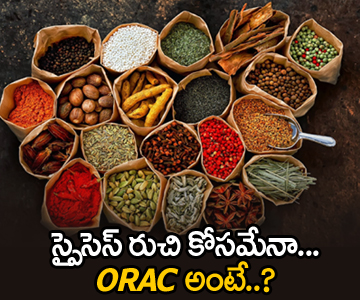
స్పైసెస్ రుచికోసమేనా.. ORAC అంటే..?
మనం నిత్యం తీసుకునే ఆహారంలో సుగంధద్రవ్యాలకు అత్యంత ప్రాధాన్యత ఉంది. ప్రస్తుతం ప్రపంచవ్యాప్తంగా కరోనా మహామ్మారి విజృంభిస్తున్న నేపథ్యంతో మరోసారి మన సుగంధద్రవ్యాలలోని ఔషధ విలువల గురించి చర్చ జరుగుతుంది. తక్కువ మోతాదులో వాడే వీటి వల్ల మనం తీసుకునే ఆహారానికి కమ్మని రుచి వస్తుంది. వీటిని రుచికోసమే వాడతామా అంటే కాదనే చెప్పాలి. అంతకుమించిన వీటిలో ఉన్నది ఎంటో తెలుసుకుందాం.. శరీరంలో రక్తకణాలు ఆక్సిజన్ ను గ్రహిస్తాయి. ఆరోగ్యంగా ఉండాలన్నా.. వ్యాధులకు ఎదుర్కోవాలన్నా ఆక్సిజన్ తగినంతగా శరీరకణాలను అందాలి. అప్పుడే మనలో రోగనిరోధక శక్తి పెరుగుతుంది. మనం తీసుకునే సుగంధ ద్రవ్యాలకు రక్తకణాలు ఎక్కువ ఆక్సిజన్ ను గ్రహించేలా చేయగలిగే శక్తి ఉంది. దీన్నే ఓఆర్ఎసి( ఆక్సిజెన్ రాడికల్ అబ్సోర్బెన్స్ కెపాసిటీ) అని పిలుస్తారు. మనం రోజూ వాడే పసుపు, తులసి, అల్లం మొదలైన వాటిలో పదిరెట్లు ఓఆర్ఎసి ఉంటుంది. అంతేకాదు ప్రకృతి సిద్దంగా లభించే పండ్లు, కూరగాయలు, గింజలు, మూలికలు ఆక్సిజెన్ గ్రహించే శక్తిని పెంచుతాయి. కొన్ని సుగంధ ద్రవ్యాలలోని ORAC .... లవంగం: 314,446 ORAC దాల్చినచెక్క: 267,537 ORAC పసుపు: 102,700 ORAC జీలకర్ర: 76,800 ORAC తులసి: 67,553 ORAC అల్లం: 28,811 ORAC జాజికాయ : 69,640 ORAC నల్ల మిరియాలు : 34, 053 ORAC కోవిడ్ 19 వైరస్ నుంచి రక్షణ పొందాలంటే మన శరీరంలోని రోగనిరోధక శక్తినిపెంచుకోవడమే ఏకైకమార్గం. ఓఆర్ఎసి ఎక్కువగా ఉంటే ఆహారం తీసుకోవడం వల్ల మన శరీరా రక్షణ యంత్రాంగానికి కావల్సిన సూక్ష్మపోషకాలైన ఐరన్, జింక్, మెగ్నిషియం, విటమిన్ సి, విటమిన్ డి, ఒమేగా3 వంటి వాటిని శరీరం గ్రహించగలుగుతుంది. మన ఆయుర్వేదంలోనూ వీటికి అత్యంత ప్రాధాన్యత ఉంది. ఆధునిక యుగంలోనూ మందులు లేని ఎన్నో వ్యాధులను ఇవి నయం చేస్తున్నాయి. ప్రపంచాన్ని వణికించిన ఎన్నో వ్యాధులను అరికట్టడంతోనూ మన భారతీయ ఆయుర్వేద వైద్యం అద్భుతంగా పనిచేస్తుంది అనడానికి ఎన్నో ఉదాహరణలు ఉన్నాయి. మన సాంప్రదాయ ఆహారంలోనే ఔషధ విలువలు ఉన్నాయి. వాటిని మనం గ్రహించాలి. భవిష్యత్ లో వచ్చే అనేక రకాల అనారోగ్య సమస్యలను ఎదుర్కోవాలంటే కంప్యూటర్ లో ఇంటెల్ ప్రాసెసర్ పనిచేసినట్టే మన శరీరంలోనూ రోగనిరోధక శక్తి పనిచేయాల్సిందే.
read more
ఇలా తింటే ఆరోగ్యంగా ఉంటారు...
ఆరోగ్యం..ఆరోగ్యం సరిగ్గా ఉంటేనే మనం ఏదైనా చేయగలుగుతాం. మన శరీరానికి తగిన పోషకాలు, విటమిన్లు అందితేనే ఆరోగ్యం కూడా సరిగ్గా ఉంటుంది. లేకపోతే అనారోగ్య సమస్యలు తలెత్తుతాయి. అలాకాకుండా ఉండాలంటే కొన్నిపాతకాలపు ఆహారపు అలవాట్లు పాటించాలి. అవేంటో ఈ వీడియో ద్వారా చూసి వాటిని పాటించండి. ఆరోగ్యంగా ఉండండి.. https://www.youtube.com/watch?v=ZH5yCJttcWQ
read more



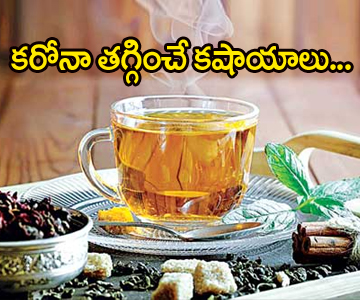
కరోనా తగ్గించే కషాయాలు...
కరోనా మహమ్మారి విజృంభిస్తున్న ప్రస్తుత తరుణంలో మాస్క్ లు ధరించడం, భౌతిక దూరం పాటించడంతో పాటు మన శరీరంలోని రోగనిరోధక శక్తిని పెంచుకోవాలి. ఇందుకోసం కొన్ని రకాల కషాయాలను ఇంట్లో చేసుకుని రోజూ రెండు పూటలు తాగడం ఆరోగ్యకరం. తులసి ఆకులు, దాల్చిన చెక్క, శొంఠి, నల్ల మిరియాలను నీళ్లలో వేసి బాగా మరగబెట్టి బెల్లం లేదా తేనెతో.. హెర్బల్ టీ మాదిరిగా తాగితే శరీర రోగనిరోధక శక్తి పెరుగుతుంది. ధనియాలు, మిరియాలు, దాల్చినచెక్క, శొంఠి సమపాళ్ళలో తీసుకుని పొడి చేయాలి. ఒక స్పూన్ పొడిని గ్లాస్ నీటిలో వేసి ఐదు నిమిషాలు మరిగించాలి. తులసి, దాల్చిన చెక్క, నల్ల మిరియాలు, యాలకులు, శొంఠి, ఎండుద్రాక్ష, బెల్లం, నిమ్మరసం తీసుకోవాలి. వీటిలో దాల్చిన చెక్క, నల్లమిరియాలు, యాలకులు, శొంఠి పొడి చేసుకోవాలి. ఒక లీటర్ నీటిని వేడి చేస్తూ అందులో ఎండు ద్రాక్ష, ముందుగా చేసుకున్న పొడి, తులసి ఆకులు వేయాలి. పది నిమిషాల పాటు మరిగిన తర్వాత చల్లార్చాలి. గోరువెచ్చగా ఉన్నప్పుడు నిమ్మరసం, బెల్లం కలిపి తాగాలి. ఒక లీటర్ నీటితో చేసుకునే ఈ కషాయం ఇంట్లో నలుగురికి సరిపోతుంది. అల్లం, పసుపు, మిరియాలు, బెల్లం. రెండు గ్లాసుల వేడి నీటిలో స్పూన్ అల్లం రసం, అర స్పూన్ పసుపు, పావు స్పూన్ మిరియాల పొడి వేయాలి. ఐదు నిమిషాలు మరిగిన తర్వాత బెల్లం వేయాలి. వేడివేడిగా ఈ కషాయం తాగితే రోగనిరోధక శక్తి పెరుగుతుంది.
read more
మంచి తేనెను కనుక్కోవడం ఎలా
తేనంత తియ్యనిది మరొకటి లేదు" అంటూ మనం తియ్యదనానికి పోలిక కోసం తేనెని సూచిస్తాం. ప్రకృతి ప్రసాదించిన అపురూపమైన వరం ఈ తేనే అని చెప్పవచ్చు. అద్భుతమైన తియ్యదనం, అరుదైన లక్షణాలు స్వంతం చేసుకున్న తేనే సహజసిద్ధమైన యాంటీబయోటిక్. అందుకే మన పెద్దవాళ్ళు తేనెని "సర్వరోగ నివారిణి" అంటారు. ఎన్నో అనారోగ్యాలకు తేనే చక్కటి ఔషధంలా పనిచేస్తుంది. సరే అసలు మనం ఉపయోగించే తేనే మంచిదా...? కాదా..? ఎలా తెలుసుకోవాలి..? ఈ వీడియో చూస్తే సరే. https://www.youtube.com/watch?list=PLvS3k4MyaWFe6JbWpk_Syg1nJcwWkRFtQ&v=sMINAsZuqGM
read more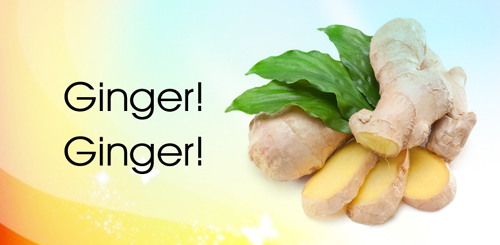
Ginger! Ginger!
Ginger belongs to the same family of Turmeric which is ‘Zingiberaceae`. Probably that has something to do with the medicinal properties of ginger. Ginger is said to have originated in china. But Indians are the ones who have used it in huge proportions for culinary as well as the medicinal purpose. Even today India is the leading producer of ginger. The contents such as Gingerol are responsible for its pungent smell as well as the herbal properties. The day to day ailments like cough and cold are always treated with the extracts of ginger in our society. Some of the other well known and well proved medicinal qualities of ginger are as follows. For Digestion: Ginger is known for thousands of years for its positive effect on our digestion. The taste of ginger itself would provoke the digestive juices. Having a ginger tea after meals would certainly aid the digestive process. It’s antibacterial and anti fungal properties would keep the intestines safe from the foreign bodies. However people with stomach ailments like ulcers are not advised to take huge quantities of raw ginger without the advice of a professional. Against Tumors: Even The American Cancer Society has agreed that the extract from ginger has either slowed down or prevented the growth of cancerous tumors in the animals. In another study it was found that the cancer cells died when they came into contact with the ginger solution. Ginger was found to be helpful against ovarian, breast and colon cancers. In Nausea: The feeling of sickness associated with vomiting sensation is called nausea. It might occur during pregnancy, while travelling on bus, while being on ship, while undergoing chemotherapy… The smell of ginger itself can relieve much of nausea. Ginger when taken during such situation is found to act as good as a medicine available in the drugstore. Even the Naval cadets were found to be relived from sea sickness after consuming ginger. Anti inflammatory: The ingredient of Gingerol mentioned before is found to be anti-inflammatory as well as analgesic (that reduces pain). That is the reason why ginger is advised frequently for the patients suffering from rheumatoid arthritis and Osteoarthritis. In a few studies, when the patients suffering from the above ailments were regularly given the supplements extracted from ginger… the mobility of their joints seems to have improved and the pain associated with stress on joints seems to have been relived. Ginger is found to work as analgesic in migraines and menstrual pain as well. Diabetic and cardiovascular diseases: No health article can be complete without mentioning these two ailments that are associated with our day to day lifestyle and are major causes for our health troubles. Ginger was proved to encourage the intake of insulin into muscles thereby decreasing the levels of glucose in bloodstream. Regular intake of ginger was also associated with the decrease of triglycerides and LDL cholesterol levels which are major culprits for diabetics as well heart diseases. Besides minerals like Magnesium, Manganese, Phosphorus, Potassium and Zinc would ensure a free flow of blood towards the heart. As the herbal values associated with ginger seems to be elevating day by day, the saying in future might be as follows - `A pinch of ginger a day keeps the doctor away` --Nirjara
read more.jpg)

నొప్పిమాత్రలతో గుండెపోటు
నొప్పి రానివాడు, వచ్చాక అది త్వరగా తగ్గిపోతే బాగుండు అనుకోనివాడు ఈ ప్రపంచంలో ఉండడు. కానీ బజారులో దొరుకుతున్నాయి కదా అని ఎడాపెడా నొప్పిమందులను వాడేస్తే అవి మన గుండెకే చేటు అని చెబుతున్నారు ఇటలీకి చెందిన కొందరు పరిశోధకులు. తరచూ తీసుకునేవే నొప్పి నివారణ కోసం రోగులు సాధారణంగా రెండురకాల మందులను వాడతారు. ఒకటి- అనాదిగా వాడుతున్న Non-selective non-steroidal anti-inflammatory drugs (NSAID). ఇబూప్రొఫెన్, డైక్లోఫెనాక్ వంటి మందులు ఈ కోవలోకి వస్తాయి. రెండు- COX-2 inhibitors. సెలకోక్సిబ్, రెఫెకోబ్సిబ్ వంటి మందులు ఈ విభాగంలోకి వస్తాయి. వినడానికి ఈ మందుల పేర్లనీ మనకి అయోమయంగా ఉండవచ్చు. కానీ బ్రూఫిన్, వోవరాన్ వంటి వందలాది బ్రాండ్ల పేరుతో అవి మనకు సుపరిచితమే! ఇంకా మన నోటి మీదే నిత్యం ఆదే ‘కాంబిఫ్లామ్’ వంటి కాంబినేషన్ మందులలో కూడా వీటి ఉనికి ఉంటుంది. లక్షలమంది మీద పరిశోధన మనం రోజువారీ విచ్చలవిడిగా వాడేసే ఈ నొప్పి మందులు మన ఆరోగ్యం మీద ఎలాంటి ప్రభావం చూపుతాయో తెలుసుకొనేందుకు, ఐరోపాలోని కోటిమందిని పరిశీలించారు పరిశోధకులు. 2000 నుంచి 2010 సంవత్సారాల వరకూ ఈ నొప్పి నివారణ మాత్రలను వాడుతూ వస్తున్న రోగులను ఇందుకోసం ఎంచుకొన్నారు. కీళ్లనొప్పులు వంటి ఇబ్బందులను ఎదుర్కొనేందుకు వీరంతా కూడా నొప్పి మాత్రలను వాడుతూ వస్తున్నారు. వాపులతో కూడిన నొప్పులని నివారించేందుకు వైద్యులు ఈ మందలును తప్పకుండా సూచిస్తూ ఉంటారు. గుండెజబ్బులు నొప్పి నివారణ మాత్రలను వాడుతున్నవారిలో 92,163 మంది గుండెపోటుతో ఆసుపత్రిలో చేరడాన్ని గమనించారు పరిశోధకులు. వీరిలో 19 శాతం మంది ఓ రెండువారాలు నొప్పి మాత్రలను వాడగానే, ఆసుపత్రిలో చేరాల్సి వచ్చింది. ఎంత వృద్ధులైనప్పటికీ మరీ 19 శాతం మంది మాత్రలను వాడిన కొద్దిరోజులకే ఆసుపత్రిలో చేరడం అనేది ఆలోచించాల్సిన విషయమే! పైగా వాడుతున్న మాత్రనిబట్టి 16 శాతం నుంచి 83 శాతం వరకూ గుండెపోటు వచ్చే ప్రమాదం ఉంటోందని తేలింది. సాధారణంగా పెద్దవారిలో కీళ్లనొప్పులు సాధారణం కాబట్టి, వీటి కోసం వాడే మందులు వారి ఆయుష్షునే దెబ్బతీయడం బాధాకరం. తగిన జాగ్రత్తలు చాలావరకు నొప్పినివారణ మాత్రలు మార్కెట్లో ఎడాపెడా దొరికేస్తూ ఉంటాయి కాబట్టి, ఇవి సురక్షితమే అన్న అపోహలో ఉంటారు ప్రజలు. కానీ దుష్ఫలితాలు లేని మందులంటూ ఉండవన్న విషయాన్ని వారు గుర్తెరగాలి. రక్తపోటు, గుండెజబ్బులు వంటి అవకాశాలు ఉన్నవారు ఈ మందులను వాడేటప్పుడు మరింత జాగ్రత్తగా మెలగాలి. ఎప్పుడన్నా మరీ భరించలేని నొప్పి ఉన్నప్పుడు, అది కూడా తగిన మోతాదులోనే... నొప్పి మాత్రలను వేసుకోవాలి. అన్నింటికీ మించి ఇటు వైద్యులూ, అటు ఆరోగ్య సంస్థలూ ఇలాంటి దుష్ఫలితాలు గురించి మరింత అవగాహన కల్పించాలి. - నిర్జర.
read more
The Doctor Foods!!
There are certain foods are having the innate ability to cure some particular illness. By including these to your daily routines you can cure the illness and believe it or not these are the prescribed foods, thus having a full-proof recovery!! Memory loss, for this illness a quarter cup of sunflower seeds daily will be drug. These seeds are loaded with Vitamin-E which protects our neurons from oxidative stress. This memory boosting little ones can make our lives a lot easier! Well, all of us would like to freeze our age at the moment! As that is impossible, we can slow the process by the intake of one full orange a day. Vitamin-C and proteins help in healthy production of collagen and keep our skin youthful and graceful! Puffy Eyes, mostly seen when over-slept! This is due to the retention of fluids around the eye; these can also lead to dark circles! A cup of refreshing Green tea post-meal daily can reduce the puffiness and other unwanted swelling over the body. When you enter a new environment, the first organ to detect is the stomach! Stomach gets upset as it is away from its comfort-zone. Peppermints aid in digestion and also soothe the inflammatory pain through out the gut. One or two post dinner is more than enough! Lacking energy after a long day? Then grab a Banana, this energy rich fruit is packed with potassium and magnesium which are the key for energy production and storage! Instead of popping in the chemically loaded capsule try these! Take Care!! ....SIRI
read more
కూర్చుంటేనే ముప్పా!
అవునండి కూర్చుంటే ముప్పే అంటున్నారు పరిశోధకులు. మారుతున్న జీవనశైలి,పనిచేసే పద్ధతి మనని కదలనీయకుండానే అదే పనిగా కూర్చొబెట్టేస్తున్నాయి. దీర్ఘకాలం కూర్చుని పనిచేసే ఉద్యోగస్తులకు గుండె జబ్బులే కాదు ఊబకాయంతో పాటు వెన్నుకి సంబందించిన సమస్యలు చుట్టుముడుతున్నాయని హెచ్చరిస్తున్నారు. ఒకొక్కరు ఆఫీసుకి వెళ్ళిన దగ్గరనుంచి వచ్చేదాకా పని వల్ల ఆ ప్లేస్ నుంచి కదలలేకపోతారు. వారికి కావాల్సిన చిన్న చిన్న పనులకి కూడా ప్యూన్ ల మీద అధారపడుతూ ఉంటారు. నిజానికి అదే పనిగా ఎక్కువ సేపు కూర్చోవటం మన మన ఒంటికి సరికాదు అంటున్నారు మన వైధ్యులు. ఎందుకంటే కూర్చున్న సమయంలో మన శరీరంలోని లైపోప్రోటీన్ లైపేజ్(L P L )అనే ఎంజైమ్ యొక్క పనితీరు మందగిస్తుందిట. దాని వల్ల రక్తంలోని చెడు కొలెస్ట్రాల్ ను పీల్చుకుని కండరాలలోకి మార్చే ప్రక్రియకు అంతరాయం కలుగుతుందిట. దానితో రక్తం లోని కొవ్వు ప్రతి అవయవం దగ్గరా పెరిగిపోయి చివరకు అది గుండెపోటుకు మాత్రమే కాదు ఇతర ఆరోగ్య సమస్యలకు కూడా దారితీస్తుందిట. ఇలా కూర్చోవటం వల్ల ఇలాంటి సమస్యలన్నీ తెచ్చుకోవటం అవసరమా. అందుకే కొన్ని పద్ధతులు పాటించి వాటిని మన దగ్గరకి రాకుండా జాగ్రత్త పడదాం. * అదేపనిగా కూర్చోకుండా ప్రతి 20 నిమిషాలకి ఒకసారి లేచి నిలబడి అటు ఇటు తిరిగితే మంచిది. * ఒత్తిడిగా అనిపిస్తే భుజాలకి విశ్రాంతి ఇచ్చేందుకు మధ్య మధ్యలో వాటిని పైకి కిందకి లేపుతూ ఉండాలి. ఒక రెండు నిమిషాలు ఇలా చెయ్యటం వల్ల మెడ నొప్పికూడా రాకుండా ఉంటుంది. * మనం పనిచేసే సమయంలో మన మెదడుతో పాటు ఎక్కువగా స్ట్రెయిన్ అయ్యేవి మన కళ్ళు. ఒక్క రెండు నిమిషాల వ్యవధి రాగానే కళ్ళకి చిన్నపాటి ఎక్సరసైజ్ చెయ్యటం మంచిది. దూరంగా ఉన్న వస్తువుని చూడటం, మొహం తిప్పకుండా కళ్ళని కుడి వైపు ఎడమ వైపు తిప్పటం ఇలాంటివి చెయ్యాలి. ' * ఆఫీసు లో ఫోన్ మాట్లాడేటప్పుడు నుంచుని మాట్లాడటం అలవాటు చేసుకున్నా మంచిదే. * రోజులో కనీసం 40 నిమిషాలపాటు నడిస్తే కీళ్ళకు బాగా పనిచేస్తాయట. * మనం పనిచేసే ప్లేస్ లో కూర్చునే కుర్చీ,ఎ దురుగా ఉండే టేబుల్ సరైన హైట్ లో ఉన్నాయో లేదో గమనించుకుంటూ ఉండాలి. వాటిలో ఏ మాత్రం తేడ ఉన్న మీకన్నా ముందు మీ నడుముపై ఆ ప్రభావం కనిపిస్తుంది. * ఆఫీసులో మిగిలిన వారితో పని ఉంటే ఫోన్లు వాడకుండా లేచి వెళ్లి వస్తూ ఉండటం కూడా మంచిది. * కాళ్ళు ఎక్కువసేపు కిందకి పెట్టి కూర్చోవటం వల్ల రక్తం మొత్తం కిందకి దిగి కాళ్ళు బరువెక్కి తిమ్మెరలు వస్తూ ఉంటాయి. దీనిని నివారించేందుకు కాళ్ళ కింద కాస్త ఎత్తుగా చిన్న స్టూల్ పెట్టుకోవటం మంచిది. ఇలా కొన్ని జాగ్రత్తలు తీసుకోవటం ద్వారా మన ఆరోగ్యాన్ని మనమే కాపాడుకోవచ్చు. ఇంకెందుకు ఆలస్యం మరీ ఏదో ఒక పద్దతి మొదలుపెట్టేద్దామా. ...కళ్యాణి
read more
పొగలు కక్కే కాఫీ... ప్రాణాంతకం!
మనకి కాఫీయో, టీనో తాగాలనిపిస్తే కాస్తో కూస్తో వేడిలో తాగం. సలసల కాగిపోతూ, పొగులు కక్కేలా ఉన్న పానీయాన్ని తాగితే కానీ తృప్తిగా ఉండదు. ఇంట్లో కాస్త తక్కువ వేడిలో తాగే అలవాటు ఉన్నవారికి కూడా, బయట టీస్టాల్ దగ్గర ఉండే పేపరు కప్పులో ఉన్న వేడివేడి టీని రుచి చూడక తప్పదు. కానీ ఇలా వేడి వేడి పానీయాలను తాగడం ప్రాణాంతకం అంటున్నారు నిపుణులు. అలా వేడి పానీయాలు తాగడం వల్ల అన్నవాహిక కేన్సర్ వచ్చే అవకాశం ఉందని హెచ్చరిస్తున్నారు. వేడి పానీయాలకు సంబంధించిన ఈ పరిశోధన ఎవరో చిన్నా చితకా శాస్త్రవేత్తలు చేసింది కాదు. సాక్షాత్తూ ప్రపంచ ఆరోగ్య సంస్థకు (WHO) చెందిన కేన్సర్ పరిశోధనా సంస్థ (IARC) వెలువరించిన ఫలితం ఇది. IARC ప్రకారం 65 డిగ్రీల సెంటీగ్రేడులకి పైగా వేడి ఉన్న పానీయాలను తీసుకున్నప్పుడు అన్నవాహిక కేన్సర్ ఏర్పడే ప్రమాదం 20 శాతం దాకా పెరుగుతుందట. చాలా సందర్భాలలో మనం ఈ పరిమితిని పట్టించుకోం. ముఖ్యంగా వాతావరణం కాస్త చల్లగా ఉంటే చాలు... పొగలు కక్కే కాఫీ తాగేందుకు సిద్ధపడిపోతుంటాం. అయితే IARC చెబుతున్న వాస్తవాలు శాస్త్రలోకానికి కొత్తేమీ కాదు. బ్రిటన్కు చెందిన రాయల్ సొసైటీ ఆఫ్ కెమిస్ట్రీ ... కాఫీని 65 డిగ్రీల లోపు ఉష్ణోగ్రత వద్దే తాగాలంటూ ఈపాటికే కాఫీప్రియులకు సూచించింది. ఇక కాఫీకి సంబంధించిన పలు నిపుణులు కూడా పానీయాన్ని 40-60 డిగ్రీల మధ్యే సేవించడం మంచిదంటూ హెచ్చరిస్తున్నారు. అయితే ఈ పరిమితులు దాటడం వల్ల ఏకంగా కేన్సర్ బారిన పడతామన్నదే ఇప్పుడు కొత్తగా తేల్చిన ప్రమాదం. కాఫీ, టీలను మరీ వేడివేడిగా తాగకూడదని తేలిపోయింది. మరి ఇప్పుడు ఏం చేయడం? అన్న సమస్యకు కూడా నిపుణులు సలహాను అందిస్తున్నారు. కాఫీ, టీలు వేడిగా ఉన్నాయని గుర్తించినప్పుడు కనీసం 5-6 నిమిషాల పాటు వేచి ఉండమని చెబుతున్నారు. వేడి పానీయాలకు గురించి ప్రపంచ ఆరోగ్య సంస్థ చెబుతున్న మాటలు అటుంచితే కాఫీ ప్రియుల కోసం ఆ సంస్థ ఓ తీపి కబురును కూడా అందించింది. అదేమిటంటే... కాఫీని వేడిగా తాగితే తప్ప కాఫీ వల్ల ఇతరత్రా ఏదో ఒక కేన్సర్ వస్తుందన్న భయాలకు తగిన ఆధారం దొరకలేదంటూ తేల్చి చెప్పింది. దాంతో కాఫీ ప్రియులు తెగ మురిసిపోతున్నారు. కాఫీ వల్ల గుండె జబ్బులు, పార్కిన్సన్స్ వంటి వ్యాధులు తగ్గిపోతాయని తెలిసినా కూడా కాఫీ అనేక కేన్సర్లకు దారి తీస్తుందన్న భయంతో దానికి దూరంగా ఉండేవారమనీ, ఇప్పుడు తమ భయాలు తీరిపోయాయని సంతోషపడుతున్నారు. ఇటు తేనీరు ప్రియులు కూడా టీని కాస్త చల్లార్చుకుని తాగితే ఏ ప్రమాదమూ ఉండదు కదా అని భరోసాగా ఉన్నారు. మితంగా తీసుకోవడం, సరైన ఉష్ణోగ్రత వద్ద తాగడం చేస్తే కాఫీ అయినా, టీ అయినా మేలే చేస్తాయన్నమాట. మరి సాక్షాత్తూ ప్రపంచ ఆరోగ్య సంస్థే చెప్పిన ఈ విషయాన్ని ఖండించేలా మరో పరిశోధన ఏదన్నా వెలికివస్తుందేమో చూడాలి! - నిర్జర.
read more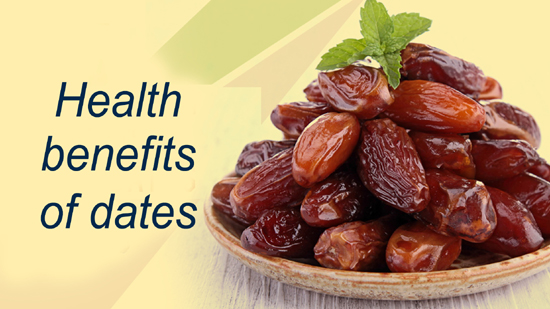
Health benefits of dates
Dates are sodium-free, fat-free, cholesterol-free, and a good source of fiber -- all of which are important factors in keeping a watch on the weight. Dates are a better substitute for candy or a packaged sweet, when satiating a sweet tooth or serving as an instant glucose supplement. Dates can provide lot of health benefits. Dates are high in iron content and fluorine. Dates are rich source of vitamins and minerals The benefits of dates include relief from constipation, intestinal disorders, heart problems, sexual dysfunction, diarrhoea, abdominal cancer, etc Loaded with fibre -- both soluble and insoluble -- dates are able to fill you up and keep your bowel habits regular. They are an excellent source of potassium and provide numerous other important vitamins and minerals -- quite a powerhouse packed in a tiny, portable package. Go grab a pack of dates in any form, whole dates or syrup. They are available off the shelf, aren’t they? - Radha Krishnaveni
read more.jpg)
మందు తాగితే గుండెకు మంచిదా!
మోతాదు మించకుండా మద్యం పుచ్చుకుంటే ఏం కాదు, పైగా ఆరోగ్యానికి మంచిది కూడా! ఇక రోజుకి ఒకటో రెండో పెగ్గులు తాగితే గుండె కూడా బలంగా ఉంటుంది.... లాంటి మాటలు మనం తరచూ వింటూనే ఉంటాం. ఈ మాటలు పట్టుకుని మందుబాబులు ఒకటి రెండు పెగ్గులతో మొదలుపెట్టి ఒకటి రెండు క్వార్టర్ల స్థాయికి చేరుకుంటూ ఉంటారు. ఇంతకీ మోతాదులో మద్యం మంచిదన్న మాట ఎక్కడిది. అది నిజంగా నిజమేనా! మితంగా మద్యం తాగితే ఆరోగ్యపరమైన లాభాలు ఏమన్నా ఉన్నాయోమో పరిశీలించే ప్రయత్నం చేశారు కెనడాకి చెందిన పరిశోధకులు. దీనికోసం మద్యపానం గురించి ఇప్పటివరకూ జరిగిన ఓ 45 పరిశోధనల ఫలితాలను గమనించారు. మద్యంతాగనివారికంటే మోతాదులో మద్యం పుచ్చుకునేవారిలో గుండెజబ్బులు కాస్త తక్కువగానే ఉన్నట్లు వాటిలో చాలా పరిశోధనలు పేర్కొన్నాయి. కానీ ఈ పరిశోధనలని కాస్త జాగ్రత్తగా కనిపిస్తే ఒక విస్పష్టమైన లోపం కనిపించింది. పరిశోధన సమయంలో ఒక వ్యక్తికి మద్యం అలవాటు ఉందా లేదా అని గమనిస్తున్నారు కానీ, అతనికి ఒకప్పుడు ఆ అలవాటు ఉందో లేదో ఎవరూ పెద్దగా పట్టించుకున్నట్లు లేదు. గుండెజబ్బులు, కిడ్నీ సమస్యలు, కాలేయ వ్యాధులు లాంటి సమస్యలు వచ్చిన తర్వాత చాలామంది మద్యానికి దూరంగా ఉండే అవకాశం ఉంది. వారు సదరు అనారోగ్యంతో త్వరగా మరణించే ప్రమాదమూ ఉంది. దాంతో మందు తాగని వారు త్వరగా మరణిస్తున్నారని నిర్ధారించేస్తే ఎలా అని ప్రశ్నిస్తున్నారు. పైగా జీవితంలో ఎప్పుడూ మందు ముట్టనంత మాత్రాన అతని లైఫ్స్టైల్ అద్భుతంగా ఉందనుకోవడానికి లేదు. వైద్య సదుపాయాలు సరిగా లేకపోవడం, ఆరోగ్యం పట్ల అవగాహన లేకపోవడం, పేదరికం.. లాంటి చాలా కారణాలు తీవ్రమైన ఆరోగ్య సమస్యలకి దారితీస్తుంటాయి. పైన తేల్చిన విషయాన్నే మరోసారి నిర్ధరించేందుకు మరో సర్వే కూడా చేశారు. ఇందుకోసం 9,100 మందిని... వారి 23 ఏట నుంచి 55 ఏట వరకు గమనించారు. ఒకప్పుడు మద్యం అలవాటు ఉన్న చాలామంది 55 ఏడు వచ్చేసరికి వేర్వేరు కారణాలతో ఆ అలవాటు మానుకుంటున్నట్లు తేల్చారు. ఏతావాతా పరిశోధకులు చెప్పేదేమిటంటే... తక్కువ మోతాదులో మద్యం పుచ్చుకోవడం వల్ల, ఆరోగ్యానికి పెద్దగా హాని కలగని మాట వాస్తవమే! అలాగని మందుతో ఏవో అద్భుతాలు జరుగుతాయన్న భ్రమలు మాత్రం కూడదంటున్నారు. ఈ భ్రమలో పడి లేని అలవాటుని బలవంతంగా చేసుకోవాల్సిన అగత్యం అసలే లేదంటున్నారు. - నిర్జర.
read more
ఎదుటివారిని చూసి ఆవలిస్తామెందుకు?
కళ్లు మూతలు పడిపోయేలా నిద్ర వస్తుంటేనో, ఏమీ తోచకుండా నిస్సారంగా ఉంటేనో ఆవలింతలు రావడం సహజం. కానీ అవతలివారు ఆవలించినప్పుడు మనకి కూడా ఆవలింత రావడంలో ఆంతర్యం ఏమిటి! ఒకోసారైతే ఆవలిస్తున్న ఫొటోని చూసినా, ఆవలింత అన్న మాట విన్నా కూడా మనలో ఆవలింత వచ్చేస్తూ ఉంటుంది. ఇలాంటి చర్య వెనుక కారణం ఏమిటి! శరీరం నిద్రాణంగా ఉన్నప్పుడు మనలోని శ్వాస కూడా నిదానిస్తుంది. ఇలాంటి సమయంలో ఒంటికి తగినంత ప్రాణవాయువు లభించదు. దాంతో అవసరమైనంత ఆక్సిజన్ని గ్రహించేలా ఎక్కువ గాలిని పీల్చుకునే ప్రయత్నం చేస్తాము. అదే ఆవలింత! ఇంతవరకూ బాగానే ఉంది. మరి ఒకరి ఆవలింత మరొకరికి ఎలా వ్యాపిస్తుంది? అనే ప్రశ్నకు అవతలివారితో మనకి ఉన్న అనుబంధమో, వారి పట్ల సహానుభూతి చూపడమో కారణం అనుకునేవారు. కానీ ఈ చర్య వెనుక భావోద్వేగాలు ఏమాత్రం కారణం కాదని కొత్త పరిశోధనలు చెబుతున్నాయి. -ఒకరిని చూసి వేరొకరు ఆవలించడం వెనుక మన జన్యువులే కారణం అని కొంతమంది పరిశోధకుల అభిప్రాయం. ఆ కారణంగానే కొంతమంది ఎదుటివారు ఆవలించిన వెంటనే నోరుతెరిస్తే, మరికొందరు మాత్రం తమకేమీ పట్టనట్లు ఉండగలుగుతారు. అంతేకాదు! ఈ ఆవలింతను నియంత్రించే జన్యువు మామూలు వ్యక్తులలో ఒకలా ఉంటే... ఆటిజం, స్కిజోఫ్రీనియా వంటి మానసిక వ్యాధులు ఉన్నవారిలో మరోలా ఉంది. కాబట్టి ఇదేదో అల్లాటప్పా జన్యువు కాదనీ, దీన్ని ఛేదిస్తే కనుక చాలా మానసిక సమస్యలకు పరిష్కారం లభిస్తుందనీ భావిస్తున్నారు. -ఆవలించడం వల్ల శరీరానికి ఎక్కువ ప్రాణవాయువు లభిస్తుంది కాబట్టి హాయిగా ఉంటుంది. మొహంలోని కండరాలన్నింటికీ ఓసారి పని చెప్పినట్లు ఉంటుంది. అందుకనే ఆవలింత అన్న విషయం గుర్తుకురాగానే మనిషి అందుకు సిద్ధపడిపోతాడన్నది కొందరు శాస్త్రవేత్తల మాట. ఇంత విచక్షణ పిల్లలలో ఉండదు కాబట్టే వారిలో ఒకరిని చూసి మరొకరు ఆవలించడం తక్కువని కూడా తేల్చేశారు. - ఆవలించడం వల్ల శరీరం నిస్సత్తువని వదిలి అప్రమత్తమవుతుంది. కాబట్టి ఇది మనం అడవులలో బతికిన రోజుల నుంచి వచ్చిన అలవాటన్నది మరి కొందరి విశ్లేషణ. గుంపులో ఉన్నవారిలో ఒకరు రాబోయే ప్రమాదాన్ని పసిగట్టడం వల్ల, వారిలో అప్రమత్తని పెంచేందుకు శరీరం ఆవలిస్తుంది. ఈ విషయాన్ని అతని చుట్టుపక్కల వారు కూడా అనుకరించడం వల్ల, వారు కూడా ప్రమాదం వస్తే ఎదుర్కొనేందుకో, పారిపోయేందుకో (fight or flight) సిద్ధపడిపోతారు. -ఎదుటివారి మనసుని మెప్పించేందుకు తమకి తెలియకుండా వారిని అనుకరించే ప్రయత్నంలో కూడా ఆవలించవచ్చని అంటున్నారు. దీని వలన ఇద్దరు మనుషులూ ఒకే తరహాలో ప్రవర్తిస్తున్న భావన కలుగుతుంది కదా! ఇన్ని కారణాలు చెప్పుకొన్నా కూడా ఆవలింతకు సంబంధించి ఇంతవరకూ స్పష్టమైన కారణాన్ని చెప్పలేకపోతున్నారు. ఒకరిని చూసి మరొకరు ఆవలించేందుకు ఖచ్చితమైన కారణాన్ని కనుక్కొనేందుకు తీవ్రమైన పరిశోధనలు జరగాల్సి ఉందట!!! - నిర్జర.
read more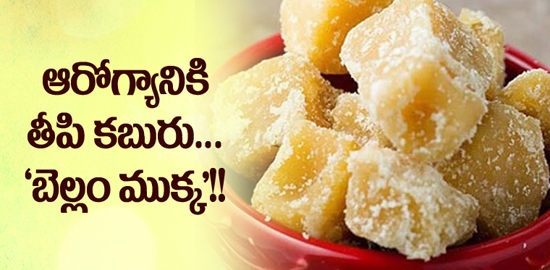
ఆరోగ్యానికి తీపి కబురు...'బెల్లం ముక్క'!!
ఎంతో ప్రాధాన్యత ఉంది. ఆ బెల్లమేఈరోజుల్లో బెల్లంవాడకం తగ్గిపోయింది. ఏదో పండగ సందర్భంలో తప్ప బెల్లం జోలికి వెళ్లడం చాలా తక్కువ. అయితే బెల్లానికి కదా అని తీసి పారేయకండి. బెల్లంతో ఎన్నో ప్రయోజనాలున్నాయి. ముఖ్యంగా చలికాలంలో బెల్లం తినడం ఆరోగ్యానికి ఎంతో మంచిదట. ముఖ్యంగా దీంతో శరీరానికి కావాలసిన వేడి అందుతుందని చెబుతారు. అంతేకాదు ఎన్నోరకాల రోగాలను నిరోధించే శక్తి బెల్లానికి ఉంది. ముఖ్యంగా గర్భవతి అయిన స్త్రీలు బెల్లాన్ని సేవిస్తే ఎంతో మంచిదట.ఆయుర్వేదంలోనూ బెల్లానికి ఎంతో ప్రాధాన్యత ఉంది. చలికాలంలో దగ్గు, జలుబు లాంటి ఎన్నో రోగాలను నిరోధించే శక్తి బెల్లానికి ఉంది. చిటికెడు బెల్లం ముక్క నోట్లో వేసుకుంటే చాలు... రక్తప్రసరణ బాగా జరుగుతుందట. రోజంతా ఆఫీసుల్లో టెన్షన్ టెన్షన్ గా గడిపేవాళ్లకు ఇది ఎంతో మంచిదట. బెల్లం తినాలంటే ఎక్కువ ప్రయాస పడాల్సిన అవసరం లేదు. బెల్లం కోసం ఎక్కువ డబ్బు ఖర్చుపెట్టాల్సిన అవసరం కూడా ఉండదు. మార్కెట్లో ఇతర ధరలతో పోలిస్తే బెల్లం రేటు తక్కువే. బెల్లం తియ్యగా ఉంటుంది కాబట్టి ఇంటి నుంచి బయలుదేరే ముందు కాస్త బెల్లాన్ని తిని వెళ్లాలట. బెల్లం తిని వెళ్తే మంచి శకునమని పెద్దవాళ్లు కూడా చెబుతుంటారు. బెల్లాన్ని సేవిస్తే బెల్లంలో ఉండే తీపి లాగే మన మాటలు కూడా చాలా తియ్యగా ఉంటాయట. కటువు మాటల వాడకం తగ్గుతుందట. ముఖ్యంగా ఇంటి నుంచి బయలుదేరే ముందు బెల్లం తినడం వల్ల మన ఆలోచనలు కూడా చాలా పాజిటివ్ గా ఉంటాయి. ఆత్మవిశ్వాసం పెరుగుతుంది. ఎందుకంటే బెల్లంలో ఉండే తీపి ముఖ్యంగా మనశ్శాంతిని పెంచుతుంది. కోపాన్ని నిరోధించి సంయమనాన్ని పెంచుతుందట. అన్నింటికంటే ముఖ్యంగా ఏదైనా పనిని శ్రద్ధగా చేస్తాం.... మరియు ఈజీగా సక్సెస్ కూడా అవుతాం. నేరుగా బెల్లం తినడం కంటే నువ్వుల లడ్డూ మరియు ఇతర ఆహార పదార్థాల్లో బెల్లాన్ని ఉపయోగిస్తే ఎంతో మంచిదట. దీంతో పిల్లలు కూడా మారాం చేయకుండా చాలా ఇష్టంగా బెల్లాన్ని తింటారు. బెల్లాన్ని చక్కెర కంటే మంచి పౌష్టికాహారంగా చెబుతారు. ఎందుకంటే ఇందులో ఎలాంటి రసాయన పదార్థాల వాడకం ఉండదు. చూశారా బెల్లానికి ఎంత ప్రాధాన్యత ఉందో.. ఇక నుంచి ఆ బెల్లమే కదా అని లైట్ తీసుకోకండి.. కాస్త అప్పుడప్పుడు చిటికెడు బెల్లాన్ని నోట్లో వేసుకోండి.
read more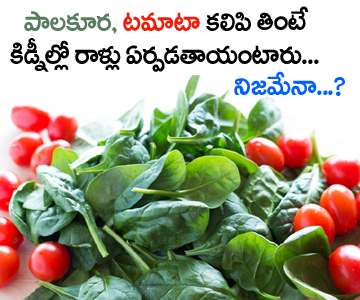
పాలకూర, టమాటా కలిపి తింటే కిడ్నీల్లో రాళ్లు ఏర్పడతాయంటారు... నిజమేనా?
అనేక విటమిన్లు, ఖనిజ లవణాలతో పాటు కాల్షియం, పొటాషియం, సి-విటమిన్ వంటివి పాలకూరలో అధిక మోతాదులో ఉంటాయి. పాలకూర పప్పును చాలా ఇష్టంగా మనం తింటుంటాం. పాలకూరలో ఆక్జలేటు అనే సేంద్రీయ కారకం అధికంగా ఉంటుంది. ఇది ఇనుము లవణాలలోనూ కాల్షియం లవణాలలోనూ కలిసి ఐరన్ ఆక్జలేటు, కాల్షియం ఆక్జలేటులను ఏర్పరచే స్వభావం ఉంది. అలాగే టమాటాలో కూడా ఎన్నో విలువైన ఖనిజ లవణాలు, విటమిన్లతోపాటుగా ఆక్జలేటులు ఉంటాయి. ఇందులో కూడా పొటాషియం పరిమాణం బాగానే ఉంటుంది. అందువల్ల టమాటా కూడా ఆరోగ్యరీత్యా అద్భుతమైన కూరగాయ. పాలకూర టమాటాలలో అధిక మోతాదులో ఉన్న ఆక్జలేటులు మన రక్తంలో ఉన్న కాల్షియం, ఇనుము లవణాలను ఆయా ఆక్జలేటులుగా మార్చే పరిస్థితి ఉంది. కిడ్నీల్లో రాళ్లు ఏర్పడ్డం వింటున్నాం. ఆ రాళ్లలో ఉండేవి ప్రధానంగా కాల్షియం సిట్రెట్లు, కాల్షియం ఫాస్పేట్లు, కాల్షియం ఆక్జలేటులు. రక్తంలోనూ, మూత్రంలోనూ సరైన మోతాదులో నీటి శాతం లేనట్త్లెతే రసాయనికంగా ఆక్జలేట్ల పరిమాణం, ఫాస్పేట్ల పరిమాణం మోతాదును మించి ఉంటే అవాంఛనీయంగా కిడ్నీల్లో రాళ్లు ఏర్పడే ప్రమాదం ఉంది. మోతాదును మించితేనే ప్రమాదం. పరిమితస్థాయిలో పాలకూర టమాటాలను కలిపి తిన్నంత మాత్రాన కిడ్నీల్లో రాళ్లు ఏర్పడవు. అయితే రోజూ నీళ్లు ఎక్కువగా తాగితే ఈ ప్రమాదం ఉండదు.
read more
ఆకాశం మీ హద్దు.. ఈ ఐదూ మరవద్దు..
చిన్న చిన్న మార్పులు చేయాలని, దానివల్ల శారీరక, మానసిక ఇబ్బందులు ఎదుర్కొనే సమస్య తప్పుతుందని తెలుసా? ఒత్తిడి వుండే ఉద్యోగాలలో వున్నవారు, ఎక్కువగా ప్రయాణాలు చేసే ఉద్యోగాలలో ఉన్నవారు, రాత్రి షిఫ్టులలో పనిచేసేవారు, సమయానికి ఆహారం తీసుకునే వీలు లేనివారు... ఇలా ఎవరెవరి పరిస్థితులు, శారీరక అవసరాలను బట్టి వారు తీసుకునే ఆహారాన్ని నిర్ణయించాల్సి వస్తుందిట. కాబట్టి ఎవరికి వారు తమ శారీరక అనారోగ్యాలు, పరిస్థితులు, వారి బాధ్యతలు వంటివి నిపుణులతో చర్చించి, వారి సూచనల మేరకు ఓ డైట్ చార్ట్ ప్రిపేర్ చేసుకుని ఆహారం తీసుకుంటే ఇప్పుడు స్త్రీలు ఎదుర్కొంటున్న ఎన్నో అనారోగ్య సమస్యల నుంచి తప్పించుకోవచ్చు అని గట్టిగా చెబుతున్నారు నిపుణులు. చూశారా... ఏదో ఒకటి తిన్నామా లేదా అది చాలు అనుకుంటే ఎంత పొరపాటో. ఇంటిల్లిపాది ఆహారంపై శ్రద్ధ పెట్టే స్త్రీలు తాము తీసుకోవాల్సిన పోషకాహారం గురించి కనీస అవగాహన కలిగి వుండటం లేదన్నది ఎన్నో అధ్యయనాలలో బయటపడ్డ అంశం. ఆహారానికి, ఆరోగ్యానికి ఉన్న అనుబంధం తెలిసిందే కాబట్టి ఈ ఉమెన్స్ డే రోజున ఒక చక్కటి నిర్ణయం తీసుకోండి. మీరు తీసుకునే ఆహారంపై శ్రద్ధ పెట్టండి. 2. ఆరోగ్యంపై శ్రద్ధా తక్కువే ఆడవారిపై మరో ముఖ్య ఆరోపణ. ‘‘వారు వారి ఆరోగ్యంపై శ్రద్ధ అస్సలు పెట్టరు’’ అని. మగవారితో పోలిస్తే ఆరోగ్య పరీక్షలు చేయించుకోవటంలో వీరు చాలా అశ్రద్ధ కనబరుస్తారట. అంతేకాదు.. చిన్న చిన్న ఆరోగ్య సమస్యలని పట్టించుకోకుండా అవి పెరిగి పెద్దవయ్యి, పెద్ద అనారోగ్యాలకు దారి తీసేంత వరకూ డాక్టర్ల దగ్గరకి వెళ్ళరని కూడా ఓ ఆరోపణ. ఇవన్నీ ఎవరో సరదాగా అన్న మాటలు కాదు. కొన్ని వేలమందిపై చేపట్టిన అధ్యయనంలో బయటపడ్డ అంశాలు. తీవ్ర అనారోగ్యంతో బాధపడే కొందరు ఆడవారిని ఈ సమస్య ఆనవాళ్ళు ఎప్పుడు తెలిశాయని అడిగినప్పుడు విస్మయపరిచే అంశాలు తెలిశాయి. కేన్సర్ వంటి ప్రాణాంతక వ్యాధులలో కూడా ఆ లక్షణాలను గుర్తించలేదని తెలిసింది. దానికి కారణం రోజువారి ఒత్తిడులు, ఉద్యోగం, కుటుంబాన్ని సమన్వయపరుచుకోవడంలో తమ గురించి తాము అస్సలు ఆలోచించుకోలేకపోవటం అంటున్నారు అధ్యయనకర్తలు. దీనికి పరిష్కారం ఏమిటి అంటే, బాధ్యతలను పంచటం. అటు కుటుంబంలో కానీ, ఉద్యోగంలో కాని బాధ్యతలు పంచుకునే అవకాశం ఇచ్చినప్పుడు ఆడవారిపై ఒత్తిడి తగ్గుతుంది. అలాగే ఎప్పటికప్పుడు ఆరోగ్య పరీక్షలు చేయించుకోవడం, ఏమైనా అనుమానం ఉన్నప్పుడు వైద్యులను సంప్రదించడం అలవాటుగా చేసుకుంటే ఆరోగ్యంగా ఉండచ్చు. ఆరోగ్యంగా వుంటే ఆకాశాన్నయినా తాకచ్చు. ఏమంటారు? ఈ ఉమెన్స్ డేకి ఇది మీరు తీసుకోవలసిన రెండో రెజల్యూషన్. 3. వ్యాయామం అసలే లేదు శారీరక వ్యాయామానికి ఎంత సమయం కేటాయిస్తారు అని అడిగితే అరవై ఏడు శాతం మంది అస్సలు లేదు అన్నారట. అదిగోమరి ఆరోగ్యం పాడవదూ అలా చేస్తే అంటున్నారు నిపుణులు. సమయం లేదని సాకు చెప్పకండి. వ్యాయామానికి సమయం ఉండేలా మీ దినచర్యని రూపొందించుకోండి అని గట్టిగా హెచ్చరిస్తున్నారు. ఊబకాయం బారిన పడకుండా ఉండాలంటే ఒక్కటే సూత్రం... ‘‘మితంగా తినడం, రోజూ వ్యాయామం చేయడం’’. అది ఎంత అవసరమో గుర్తించి, ఆచరించండి. మిమ్మల్ని మీరు మోటివేట్ చేసుకోండి. ఇతరులనీ మోటివేట్ చేయండి. 4. రిలాక్సా? నో ఛాన్స్! మీరెలా రిలాక్స్ అవుతారు? మిమ్మల్నే అడిగేది. రోజూ మీరెలా రిలాక్స్ అవుతారు? దానికి ఎంత సమయం కేటాయిస్తారు? ఆలోచనలో పడ్డారా? మీలానే ఈ ప్రశ్న అడగగానే ఆలోచనలో పడ్డారుట ఎంతోమంది. వారి నుంచి వచ్చిన సమాధానాలు ఏంటో తెలుసా? రాత్రి నిద్రపోవడమే రిలాక్స్ అవటం అని, పిల్లలని చదివించటం అని, వాళ్ళతో కబుర్లని... ఇలా రకరకాలుగా చెప్పారుట. అయితే దీని మొత్తంలో మీరు మీకు నచ్చినట్టుగా రిలాక్స్ అయ్యారా ఎప్పడైనఅ అంటే ‘నో’ అని ముక్తకంఠంతో చెప్పారుట. అలాగే టీనేజ్లో వుండగా హాయిగా రోజూ నచ్చిన పుస్తకం ఓ గంట అయినా చదివేదాన్ని అని ఒకరు, మ్యూజిక్ వినేదాన్ని అని ఒకరు, గార్డెనింగ్ చేసేదాన్ని అని ఇంకొకరు, ఒక్కర్తిని కూర్చుని ఆకాశాన్ని చూస్తుంటే భలే హాయిగా వుండేది అని మరొకరు చెప్పారుట. మరి అవి ఇప్పుడెందుకు చేయడం లేదు అంటే అందరిదీ ఒకటే సమాధానం.. ‘‘టైమ్ లేదు’’. మీ సమాధానం కూడా అదేనా? అయితే దానికి నిపుణులు ఇస్తున్న సలహా ఏంటో తెలుసా? ‘‘రిలాక్స్ అవటం మీ సామర్థ్యాన్ని పెంచుతుందని గట్టిగా నమ్మండి. అప్పుడు రిలాక్స్ అవటానికి మీకు టైమ్ అదే దొరుకుతుంది. మీ ప్రయారిటీ లిస్టులో దానికసలు చోటే లేకపోతే ఎలా? దాన్ని ఫస్టు ప్లేసులోకి తీసుకురండి. బదులుగా అది మిమ్మల్ని అన్నిట్లో ఫస్టుగా వుంచుతుంది’’ అంటున్నారు. సో... రిలాక్స్ అవ్వటంలో తప్పులేదు... తప్పుకాదు అని గట్టిగా నమ్మండి. మీ హాబీల దుమ్ము దులిపి హాయిగా రిలాక్స్ అయిపోండి. 5. గాఢమైన నిద్రా కరువే ఇది చదివితే మీ మీద మీరే బోల్డంత జాలిపడిపోతారు. మొన్నామధ్య అమెరికాలో ‘‘సొసైటీ ఫర్ ఉమన్ హెల్త్ రీసెర్చ్’’ చేసిన పరిశోదనలో ఆడవాళ్ళు అసలు గాఢంగా నిద్రపోవడమే లేదని తేలింది. మగవారితో పోలిస్తే ఆడవారు నిద్రలోకి జారుకోవడానికి ఎక్కువ సమయం పడుతోందని, పడుకున్నా మగవారిలా గాఢంగా నిద్రపోయే సమయం తక్కువని తేలింది. అలాగే ఆడవారు ఎదుర్కొనే ఎన్నో అనారోగ్య సమస్యలకి నిద్రలేమే కారణమని కూడా తేలింది. దీనికి ఒకరకంగా ఆడవారిలోని ప్రత్యేక హార్మోన్లు కారణం. నెలసరికి ముందు, వెనక స్త్రీలు ఎక్కువగా నిద్రలేమి సమస్యని ఎదుర్కొంటున్నారట. పెళ్ళయ్యాక, గర్భం, కాన్పు తర్వాత శరీరంలో ఏర్పడే పరిణామాలు, వీటికి తోడు ఇల్లు, ఉద్యోగ బాధ్యతలూ... ఇవన్నీ స్త్రీల గాఢమైన నిద్ర వేళల్ని హరిస్తున్నాయని ఆ పరిశోధన తేల్చింది. మరి పరిష్కారం ఏంటీ అంటే, మొదట నిద్రలేమితో బాదపడుతున్నామని గుర్తించాలిట. నిద్రకు నిర్ణీత సమయాలని ఏర్పాటు చేసుకోవాలి. మనసు అలజడి లేకుండా వుండే గాఢమైన నిద్ర స్వంతమవుతుంది. కంటినిండా నిద్ర ఆరోగ్యాన్ని కాపాడుతుంది. ముక్తాయింపు... ఉమెన్స్ డే ఉద్దేశం ఈ రోజున ఒక్కసారి ఇప్పటిదాకా సాగించిన ప్రస్థానాన్ని సమీక్షించుకుని, సాగించాల్సిన ప్రయాణానికి సర్వసన్నద్ధం కావటం. స్త్రీల పట్ల మారాల్సిన సమాజం, ప్రభుత్వ దృక్పథాల గురించి గొంతెత్తినట్టే - అసలు మూలాలని కూడా బలపరుచుకునే దిశగా కూడా ఒక్కసారి దృష్టి సారించాలి. శారీరక ఆరోగ్యంపై మానసిక ఆరోగ్యం, ఈ రెండిటి మీద మీరు సాధించే విజయం ఆధారపడి వున్నాయి. కాబట్టి వ్యక్తిగతంగా మిమ్మల్ని మీరు మరింత దృఢంగా మార్చుకునేందుకు పైన చెప్పిన ఐదు అంశాలు ఎంతో కీలకం. ఆ అయిదే కాదు.. ఇంకా చిన్నాపెద్దా అంశాలు ఎన్నో వున్నాయి ఆడవారు నిర్లక్ష్యం చేసేవి. అయితే అతి ముఖ్యమైనవి ఇవి కాబట్టి కనీసం వీటిపై దృష్టి పెట్టండి. మిమ్మల్ని మీరు సానబెట్టుకుని దూసుకుపొండి. ఆఖరుగా ఒక్కమాట. ఎప్పటికప్పుడు విజేతలుగా నిలిచిన మహిళల జీవన పంథాని, వారు అనుసరించే విధానాలని గమనించండి. వాటిని అనుసరిస్తే పొందే లాభాలని గుర్తించండి. మార్పు మంచిదే అని నమ్మండి. ఓ స్త్రీ.. నీకు నీవే సాటి.. నీ విజయాలకి మా జోహార్లు. సాధించబోయేదానికి శుభాకాంక్షలు. అందరికీ మహిళా దినోత్సవ శుభాకాంక్షలు. -రమ
read more.jpg)
గుండెని ప్రేమగా చూసుకుందామా
అప్సరసలాంటి అమ్మాయి ఎదురయితే గుండె దడదడ లాడిన పర్వాలేదు గానీ, మాములుగా ఉన్నప్పుడు కూడా అలా కొట్టుకుంటుంటే? ఇదేదో బాగా ఆలోచించాల్సిన విషయమే అని గుర్తుపెట్టుకోండి. గుండెని పదిలంగా చూసుకోవాలంటే కొన్ని ఆరోగ్య సూత్రాలు పాటిస్తే చాలు అసలు డాక్టర్ని కలవాల్సిన పనే ఉండదంటున్నారు ప్రకృతి వైధ్య నిపుణులు. మనం తీసుకునే ఆహారపు విషయంలో కొంతమేర జాగ్రత్త తీసుకుంటే చాలట. రోజువారి నడక, వ్యాయామం తో పాటు కింద చెప్పినవి కొన్ని పాటిస్తూ మన గుండెని ప్రేమగా చూసుకుందాం. * ఆకుపచ్చని రంగులో వుండే ఆకు కూరలు, కూరగాయలులో విటమిన్ - బి కాంప్లెక్స్ , నియాసిన్ అధిక మోతాదులో వుంటాయి. ఇవి రక్తనాళాలు మూసుకుపోకుండా వుండేందుకు సహాయపడతాయి. ఇంకా ఇవి బెర్రీస్, పుల్లటి రుచిగల పండ్లలో కూడా ఎక్కువగా లభిస్తాయి. * గింజ దాన్యాలలో సోయా చాలా ప్రత్యేకమైనది.త్వరగా జీర్ణము అవుతుంది. అందుకే దీన్ని అన్ని వయసుల వారు తీసుకోవచ్చు.శరీరానికి అవసరమైన అమినోయాసిడ్లు, లైసీన్లతోపాటు ఇసోఫ్లేవిన్స్ ని కలిగిఉంటుంది. ఇది గుండెకు బలాన్నిస్తుంది. * ఆలివ్ ఆయిల్లో వుండే మోనో-శాటురేటెడ్స్ వల్ల శరీరంలో చెడు కొవ్వు తగ్గేందుకు ఉపయోగపడతాయి. ఇందులో యాంటీ ఆక్సిడెంట్లు కూడా అధిక మోతాదులో ఉంటాయి. ఇవి గుండె కవాటాలు సక్రమంగా పనిచేసేందుకు ఉపయోగపడతాయి. గుండె సంబంధిత సమస్యలను కూడా ఇవి నివారిస్తాయి. * ఈ మద్య కాలంలో గుండెజబ్బుల నివారణకు, కొలెస్ట్రాల్ ని అదుపులో ఉంచడానికి ఓట్స్ ని వాడుతున్న వారి సంఖ్య క్రమంగా పెరుగుతోంది. వీటిల్లో ఉండే ప్రత్యేక పీచు పదార్థం బెటాగ్లూకాన్. ఇది పైత్య రస ఆమ్లాలతో కలిసి శరీరంలోని కొలెస్ట్రాల్ ని నియంత్రణలో ఉంచుతుంది. * బాదాం పప్పు గుండెకు మేలు చేస్తుంది. మన ఆహారనాళాన్ని ఆరోగ్యంగా ఉంచుతుంది. బాదంలో ఉండే ఒమెగా 3 ఆల్ఫా లినోలిక్ యాసిడ్ ఇన్ఫ్లమేషన్ ను తగ్గిస్తుంది. కరోనరీ గుండెజబ్బులను నివారిస్తుంది. * గుమ్మడి కాయలలో బీటాకెరోటిన్ లు ఎక్కువగాఉంటాయి. ఇవి శరీరములో విటమిన్ ' ఎ ' గా మార్పుచెంది చాలా ప్రయోజనాలు కలిగిస్తాయి. గుండెజబ్బులు, క్యాన్సర్ కి కారణమయ్యే ఫ్రీరాడిలల్స్ ను ప్రారదోలడములో సహకరించి గుండెను కాపాడుతుంది. పొటాషియం ఎక్కువగా ఉన్నందున గుండెకు మేలు జరుగుతుంది . ఇలా కొద్దిపాటి జాగ్రత్తలతో మన గుండెని పదిలంగా చూసుకుందాం. - కళ్యాణి
read more