



Checking your Sugar levels- frequency
Checking your Sugar levels- frequency The American Diabetes Association recommends testing your blood sugar at least three times a day if you need multiple daily insulin injections. But for the rest of those with type 2 diabetes, testing frequency should be "dictated by the particular needs and goals of the patients," the ADA says. That means that frequent testing is clearly necessarily for some people with type 2 diabetes and all type 1 diabetics who take multiple daily insulin injections also need to monitor blood sugar frequently. Some studies suggest that frequent monitoring is not always helpful for people with type 2 diabetes. But that research is still being debated. Your doctor or diabetes educator can help you determine how often and when you should be testing. The other factors that needs to be taken into consideration when you need to check your sugar levels are : Medication: Some classes of oral drugs can cause hypoglycemia or low blood sugar, so you may need to test more often. Changes: If you've just been diagnosed with diabetes, started on a new medication, added a new type of food, or recently changed some other factor (for example, you have gained or lost weight, or are exercising more or less often), then you should test more frequently.
read more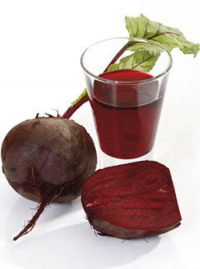
Beetroot Benefits
Beetroot Benefits Including a few beetroot in your everyday diet can actually help boost your weight loss and improve your health. Beta cyanin is a powerful antioxidant present in the root can help remove toxins from your liver, bloodstream and also help to remove fatty deposits from your bloodstream, which can lower your cholesterol and therefore your risk of heart disease. ->Research suggests that daily consumption of either 250ml beetroot juice or 1-2 cooked beetroots, around 100g, could dramatically lower blood pressure levels, making it a bit of a wonder food for high blood pressure patients.It also bostteh hemoglobin content in your body. ->Beetroot is also rich in folic acid, which is essential for healthy tissue growth and cell repair. Folic acid is absolutely crucial to the development of a baby’s spinal cord, which makes beetroot an excellent food to eat during pregnancy. It also contains iron, which is a great nutrient to combat fatigue. ->Beetroot can help to reduce cholesterol levels, too – it contains soluble fibre, and research has suggested that soluble fibre can reduce cholesterol levels. It also contains flavonoids and carotenoids, which are known to reduce the levels of bad cholesterol whilst improving the levels of good cholesterol. ->It has a very low glycaemic load, which means that when you consume it, it is very slowly converted into energy, which means that it won’t overload your bloodstream with sugars. This prevents blood sugar highs and therefore blood sugar lows, which can lead to cravings of sugary and fatty foods. ->Beetroot is also rich in insoluble fibre, which ensures a healthy digestive tract and a healthy bowel, which reduces your risk of bowel cancer. Eating insoluble fibre can help to boost your metabolism and it can also help you to lose weight as the food that you consume helps to fill you up, but as you cannot digest it, you don’t take in as many calories from it. And finally Beetroot is also an excellent food for weight loss as it is very low in calories, containing around 38 calories per 100g of beetroot, along with just 0.1g of fat.
read more
Preventing Urinary tract Infection
Preventing Urinary tract Infection Urinary tract infections (UTIs), which also called bladder infections, are a common problem for girls/women who tend to get it more often than their male counterparts. The Symptoms could vary from a sharp burning pain during urination, frequent urination to pain in the back or lower abdomen resulting in nausea/vomiting and fever. Casues: A woman’s urethral opening (which is sterile) is right near two big sources of bacteria: the rectum and the vagina. Bacteria from these areas can move toward the urethra from the rectum if a woman wipes the wrong way after going to the bathroom, and could cause a UTI. During sexual intercourse, bacteria in the urethra can be pushed toward the bladder. And using some types of birth control—like a diaphragm—can also cause bacteria to collect more, and eventually get into the urethra and the bladder. Urinating in unhygienic public bathrooms could also cause UTI. Prevention: Most UT infections are curable with a few days of antibiotic treatment. When a bladder infection starts, you can help prevent it by trying the following: · Drinking at least six to eight glasses of water a day · Coconut water and soothing fruit juices are a great alternative for water · Don’t wait to go to the bathroom—urinate when you get the urge · Wipe from front to back whenever you go to the bathroom · Urinate before and right after sexual intercourse · Take showers instead of baths · Avoid drinking a lot of caffeine or colas
read more



Breathing away the pain during PMS
Breathing away the pain during PMS PMS or Pre Menstrual Syndrom which can be a pain in the literal sense , causes a great deal of discomfort and anxiety. This is a time when you are prone to taking short and shallow breaths which is actually increases the pain. Focusing on a specific breathing pattern can help the body relax and release some tension around the pain & for that there is a simple and wonderful breathing technique in yoga called the Viloma Pranayama. Start by inhaling and exhaling naturally through your nose. After your next exhale, pause for two seconds before inhaling. Repeat up to five times. This can be performed while seated or while lying down --- just as long as your head is positioned slightly higher than your chest. This technique also improves blood circulation, which eases the pain. This can be done by any lady and can also be taught to the young girls who face this PMS pain at a young age.
read more
Coconut oil for pearly Teeth
Coconut oil for pearly Teeth Yes you heard us right ! The nutty coconut oil can actually be used to make your teeth white. All you have to do is to mix baking soda in Coconut oil and brush your teeth with this mixture. It not only polishes your teeth and with that smooth, post-dentist feeling which you do for yourself will help keep your 32 pearly whites in good health. It may leave an oily taste in your mouth, so you could try doing this as a once in two weeks polishing sessions with coconut oil. So it’s not just your hair or skin Coconut oil can benefit your teeth too. As an add on you could try the the oil pulling session with coconut oil which is also extremely beneficial for the entire facial muscles and the overall body too.
read more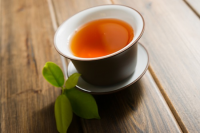
Weight Loss with Oolong Tea
Weight Loss with Oolong Tea We have heard the benefits of green drinking and the easy slim teas and other concoctions that have made their way in to the weight loss market .Another entrant from the Chinese gardens is the Oolong Tea which is known to be more beneficial than the regular Green tea. The Chinese have long believed that oolong tea is beneficial in reducing and maintaining weight. A Chinese study, in 1998, of 102 females showed that continuous consumption of oolong tea for six weeks resulted in a reduction of body weight. This study, along with the question of other compounds contributing to tea's weight loss benefits, spurred further research. While green tea gets most of the limelight when it comes to healthy teas, oolong actually contains larger quantities of the polyphenols that aid in weight loss. A study, conducted by the U.S. Agriculture Research Services Diet and Human Laboratory, showed individuals who drank oolong tea burned 67 more calories per day than groups who drank caffeinated water, half strength oolong tea or non-caffeinated water. The oolong tea in now available all over the world except that it is a bit expensive, but that should not deter you from trying and benefiting from it.
read more
Health in your 30’s
Health in your 30’s Fertility tends to top the list of women’s health concerns in their 30s, says Renée Scola, M.D., who practices internal medicine at Northwestern Memorial Hospital in Chicago. “Educated professional women tend to put off childbearing longer, but fertility begins to decline slightly in your early 30s, and more significantly with each passing year,” she notes. It’s also the time in which women who battle their weight may develop pre-diabetes–a dangerous condition of above-normal blood glucose levels that puts them on the cusp of developing diabetes. Screenings you need: If you’re overweight or have other diabetes risk factors, including a family history of diabetes, get a glucose test to find out if you have pre-diabetes or diabetes. The American Thyroid Association recommends having your thyroid-stimulating hormone levels checked (a TSH screening) beginning at age 35 and again every five years, although “you should be checked again sooner if you’ve gained or lost weight, or feel sluggish,” says Scola. In addition, if you’ve been unsuccessfully trying to get pregnant for over a year, your gynecologist may recommend fertility testing. Also check if you have cysts or fibroids which might cause problems when you are trying to conceive. If you are feeling excessively fatigued or dull you also need to check your Vitamin D levels and take supplements if they are low. Source:Forbes
read more
How to determine Premature Menopause
How to determine Premature Menopause The latest health issue among women above 35 is premature menopause—defined as the permanent ending of a woman’s menstrual period before the age of 40—It can be a devastating blow for people who are yet to conceive. Symptoms of premature menopause which could be anything from the absence of monthly periods for more than one year—before the age of 40 to Hot flashes and night sweats are very common, difficulties with sleeping, Memory and concentration difficulties ,Urination becomes more frequent coupled with decreased libido, can also lead to mood swings and irritability. Causes of premature menopause For the vast majority of women who enter menopause prematurely it could be due to various factors like genetics, uterus removal, cancer treatments, or any kind of auto immune diseases which could cause premature menopause. Decrease in the female sex hormone, estrogen, is responsible for the majority of the issues experienced during this time. So how do we determine premature menopause? To help determine if you may be reaching menopause, your doctor will ask if you've had signs like hot flashes, irregular periods, sleep problems, and vaginal dryness. But these signs are not enough to determine that you are reaching menopause. You need a definitive diagnosis of premature menopause, which is also known as hypergonadropic hypogonadism. A series of blood tests to look for levels of the following hormones: follicle stimulating hormone (FSH), luteinizing hormone (LH), anti-Mullerian hormone (AMH), estrogen and progesterone, among others are done. What are the treatment options for premature menopause? Women with premature menopause should request regular bone mineral density scans from their Gynacocologist. Declining estrogen levels put premenopausal women at increased risk of bone loss, fractures and even osteoporosis. “Bone loss ups its ante right around age 30, regardless of whether your ovaries fail or not,” says Dixon. “If you have no estrogen, it really kicks into high gear.” Some research suggests that low estrogen also puts women at risk of heart disease. Most fertility specialists will prescribe a low-dose birth control pill (BCP) containing estrogen and progesterone to this group of women, until they reach the age of natural menopause, just past 50. The estrogen in BCPs helps women cope with some of the debilitating symptoms of menopause and protects against bone less as well. The progesterone helps protect a woman’s uterus from endometrial abnormalities by causing her to shed her lining every month. Apart from talking to your doctor about treatments like menopausal hormone therapy that can help with symptoms of menopause you can also discuss ways to protect your health. Eating a healthy, balanced diet and exercising regularly can also help menopausal women maintain bone, heart and overall wellness.
read more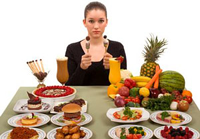
Fasting as a Diet
Fasting as a Diet Fasting on religious festival days have been a common feature in our Indian Homes and still are prevalent. Apart from the religious benefit associated with it they also help in reducing weight and are known to help in cleansing our systems. The 40-day fasting periods are suppose to have great impact on weight loss and have been scientifically proven also.This diet has also been ranked No. 28 of 31 on U.S. News's Best Overall Diet rankings list. The theory behind it is that our bodies were programmed for periods of feast and famine. As such, we should recreate these feast and famine days in order to lose weight and live a longer life. Called The Fast Diet where dieters select two non-consecutive days each week to eat 500 or 600 calories, depending if they're a man or woman. On fasting days, low-glycemic-index and low-glycemic-load foods are recommended since they take longer to digest, which in turn makes you feel more satisfied. Recommended foods include vegetables, nuts, seeds, legumes (including beans and lentils), and some fruit. Dieters are recommended to follow their regular exercise regimen during fasting days. During the remaining five non-fasting days, you can eat whatever you wish. Side effect and issues • Much of the scientific evidence regarding intermittent fasting is controversial. • With sub-optimal calories consumed twice a week, you may become deficient in several important nutrients. • Eating so few calories can result in uncomfortable side effects such as headaches, irritability and hunger. • Lifelong healthy eating habits aren't promoted.
read more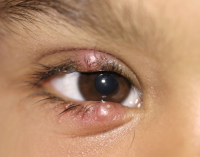
Say bye to Stye
Say bye to Stye Stye which is also called hordeola, are bacterial infections and appear as small bumps on the upper or lower eyelids. Styes are usually harmless and will go away on their own within one to two weeks when your body fights off the infection. To prevent a stye in the eye, always wash your hands before touching your eyes and maintain good eye hygiene, especially if you wear contact lenses. This infection is not necessarily contagious and can go on its own. Keeping warm compresses on the eye is an effective method to prevent it from further growing. This infection can come when you frequently visit swimming pools which often get contaminated. If the symptoms persist for long a visit to the eye doctor is a must. Presenting a few tips to prevent Stye. Basic tip: Keep your eyelids and eyelashes clean.Add three drops of baby shampoo to a small bowl of warm water. Soak a clean cotton ball in the solution, and then gently scrub both eyelids for 30–60 seconds with your eyes closed. Rinse with warm tap water and dry gently. · Rub your palms vigorously and with the heat generated apply this to the eye · Avoid sharing eye make-up with others · Avoid sharing towels and other linens such as pillowcases and washcloths · Visit your eye doctor regularly · Begin treatment as soon as symptoms develop; contact your eye doctor for specific instructions · Do not touch or rub your eyes, especially if you have a stye · Clean your eyes regularly after you visit the swimming pool.
read more
Water Chestnuts are Good for You
Water Chestnuts are Good for You Water Chestnuts which is predominantly used in western cuisine has its place in Indian cooking where it popularly known as Singhade and the flour made from it is called Singhade ka atta.The water chestnuts are boiled, peeled, dried, and ground into flour. It is similar to corn starch and is used for making food items especially during religious fasting periods where the fast is broken with food made from water chestnut flour. The water chestnut flour has many health benefits too. ->Fresh water chestnuts have double the amount of potassium, zinc, B vitamins and vitamin E when compared to the flour form. But it should be eaten in moderation or else it could lead gas problems and a bloated feeling. ->Nutritionally, water chestnuts flour is a good source of potassium and fiber. ->They are low in sodium, and fat is virtually non-existent.Which is great for people who are on a diet.You could alternately use this flour along with whole wheat flour. ->Calorie wise, one cup of water chestnut slices contains about one hundred-thirty calories. But for the low-carb dieters, water chestnuts are high in carbohydrates. So you could limit eating these directly. ->They are also known to be a natural coolant to the body.
read more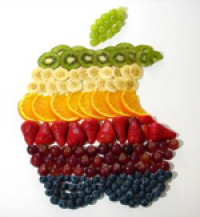
More about Phytonutrients
More about Phytonutrients Phytonutrients are not just single elements, there are few others in that family, and each one has its own quality in helping a human body sustain a challenging life. We come across a few of these names on Drug or Food ingredient lists, medicine prescriptions, but generally don't know what each of them relates to or treats. Lutein helps in cases of blindness and cataracts, protecting against macular degeneration. Zeaxanthin protects against developing blindness. Phenols reduce oxidative stress. Lycopene helps prevent prostate cancer. Sulforaphane prevents colon cancer. Carotenoids stimulate the immune system. Ellagic acid fights cancer. Indoles fight cancers more than Ellagic acid. Catechins are antioxidant flavonoids. Flavonoids are anti-inflammatory and they protect against allergic reactions. Anthocyanidins strengthen the collagen protein in soft tissues, tendons, ligaments, and bones. Phytosteroids block the development of breast, colon, and prostate diseases. Quercetin protects against heart disease and allergies and reduces inflammation in sports injuries.
read more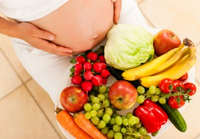
Food Cravings during Pregnancy
Food Cravings during Pregnancy About two-thirds of women experience food cravings during pregnancy. It is usually fine to indulge in these cravings if it provides essential nutrients, but if one is craving for an unhealthy food or the craving persists to the point that it prevents her from getting the other essential nutrients the baby needs, she needs to take steps to create more balance in the daily diet and make sure to take the prenatal vitamins. Some women feel strong urges to eat nonfood items like ice, laundry starch, dirt, clay, chalk, ashes, or paint chips when they are pregnant. This is known as pica, and it may be associated with anemia. These nonfood cravings can be harmful to both Mom and baby, so it is very important that she resists them and also lets her Doctor know about them immediately. If the expectant Mom has any cravings that interfere with her ability to eat balanced meals and gain weight properly, she has to consult her obstetrician for advice. If she has an urge to eat more sweets, or spicy and deep fried foods, they have the ability to force her weight gain and cause imbalance in her Blood pressure or Blood sugar. Registered dietitians, nutrition experts are also able to help one maintain good nutrition throughout the pregnancy.
read more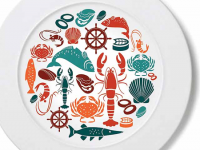
Health benefits of Seafood
Health benefits of Seafood Research has shown that eating fish and shellfish regularly is beneficial to our bodies in many ways. Seafood provides the body with many essential nutrients which keep us running smoothly, including iodine, selenium, zinc and potassium. They are also an excellent source of many vitamins, including vitamins A and D. Great for your heart It's no coincidence that fish-eating Inuit populations in the Arctic have low levels of heart disease; seafood is low in saturated fat and high in omega-3, which can both protect the heart from disease and lower the amount of cholesterol in the blood. One study has even suggested that an extra portion of fish every week can cut risk of heart disease in half. Joint benefits Eating fish as a regular part of a balanced diet has shown to ease the symptoms of rheumatoid arthritis, a condition which causes the joins to swell up. Recent research has also found a link between omega-3 fats and osteoarthritis, suggesting that eating more seafood could help to prevent the disease. Healthy eyes Eating oil-rich fish regularly can help to keep the eyes bright and healthy. A recent study has suggested that omega-3 fatty acids can help to protect the eyesight of those suffering from age-related macular degeneration (AMD), a condition which causes the retina to degenerate and the eyesight to become blurred. Fish and shellfish also contain retinol, a form of vitamin A which boosts night vision. Prevents Depression Seafood may also play a large part in preventing depression; research has highlighted links between low omega-3 levels and a higher risk of depression. Seafood could also help us to avoid Seasonal Affective Disorder (SAD) and post-natal depression. For great Skin Not only does omega-3 help to protect the skin from the harmful effects of the UV damage, but eating lots of fish can also help with the symptoms of skin conditions such as eczema and psoriasis. Fish is also a great source of protein, which is an essential ingredient of collagen, a substance which keeps the skin firm and flexible. Bowels protection Evidence suggests that a diet rich in fish oils can help to protect us against serious inflammatory bowel diseases (BD) including Crohn's disease and ulcerative colitis. There is also evidence to suggest that omega-3 could help to slow the progression of inflammatory bowel disease in some sufferers. Brainpower Booster The human brain is almost 60% fat, with much of this being omega-3 fat. Probably for this reason, research has indicated that people who eat plenty of seafood are less likely to suffer dementia and memory problems in later life. DHA, an omega-3 fat found in seafood, has also been linked to improvements in children's concentration, reading skills, behaviour, and Attention Deficit Hyperactivity Disorder (ADHD).
read more
The MSG Damage
The MSG Damage MSG, Mono Sodium Glutamate, is a form of amino acid glutamate that acts as an excitotoxin, it overexcites nerve cells and may eventually damage the brain and nervous system. MSG consumption is linked to obesity, premature death in infants, and as it targets the brain, it is also linked to autism. MSG is used in most store-bought processed foods, inorder to add more taste to our taste buds, and excite them, it actually makes even the bland, boring food taste good. Earlier, MSG was a hidden ingredient in the processed foods, and was not printed much on the label. But now, FDA requires that the ingredient be listed on food labels. e Hence, food manufacturers have found their own way to camouflage the name and print it. It is disguised in so many other new names, one can't imagine. MSG was previously known well as Ac'cent, Aji-No-Moto, and Ve-Tsin. These days, it comes as Hydrolyzed vegetable (or plant) protein, Autolyzed yeast, Yeast extract, Soy protein isolate, Natural Flavors, Autolyzed plant protein, Glutamate, Sodium Glutamate, Monopotassium glutamate, Glutamic acid, Calcium caseinate, Sodium caseinate, Yeast food, Hydrolyzed corn gluten, Gelatin, Textured protein, Yeast nutrient. Also avoid using foods with the following ingredients, as they often contain MSG or create MSG during processing. Carrageenan, Natural pork, chicken, or beef flavoring Broths,stocks, bouillons, Flavors/flavourings Natural flavors/ flavourings Maltodextrin, Citric acid, Barley malt, Malt extract/ flavouring Soy sauce (not tamari) Seasonings (when the herb/seasoning name is not specified) When i learnt about these new names, i scanned my whole kitchen and pantry, and i was shocked to really find names like citric acid, maltodextrin, carrageenan, and a pack of vegetable stock, a soy sauce bottle. However, as i was aware of MSG-AGINOMOTO from good number of years, i could avoid MSG directly in my food storage. Being local to USA, i know that we can even as the local restaurants to prepare food without MSG for us, however, the popular chain restaurants can't do it, as their broths, stocks are pre-made to maintain as common taste. In that case, think of salads. When are you striking your kitchen?
read more
High Proteins for Calorie loss
High Proteins for Calorie loss According to new research published in the Journal of Science and Medicine in Sport says that if you are not losing weight even after a rigorous workout could be a sign that you're cheating yourself and not eating the right food for the calorie burn. For the study, 10 "recreationally active" college-age women (so, not athletes) of normal body weight were given a high-protein meal (45 percent protein), low-protein meal (15 percent), or no food at all before walking on a treadmill. The women who ate the high-protein meal an hour prior to working out burned more calories per minute than the women who ate nothing. (No difference was found between the low-protein group and the fasting women.) The additional calorie burn amounted to 185 calories over the following 24-hour period. "The body will use more calories when you have additional calories to expend (i.e., after eating)," says lead study author Ashley Binns, a Ph.D. student. Assuming you ate the same amount of total daily calories, the additional calorie burn could add up to a 15-pound weight loss over the course of a year. Although fasting before exercise has previously been used as a method for weight loss, the body breaks down muscle and/or fat as fuel sources if you don’t eat food prior to exercising, says Binns. "This could potentially result in muscle weight loss." And less muscle ultimately means less calorie burn. Plan to eat a high-protein snack an hour before your workout to burn more calories during exercise. The exact amount of protein you should consume is still up for debate, though, says Binns. "Many studies suggest consumption of upward of 30 grams of protein spread throughout the day across three meals is ideal for maintenance of weight and/or weight loss." Good high-protein foods include protein drinks, egg whites, peanut butter, sprouts or yogurt.
read more
How much to drink
How much to drink Our bodies yearn for pure, clean water. Everyone is concerned about how much to drink per day. To determine how much water our body needs, take your body weight in pounds and divide the number by two. That's the number of Ounces we need to drink per day to stay fit. The same principle holds true for a child, unless he or she is an infant, except if the pediatrician recommends. If you are an average-sized adult, this is how you should calculate the amount of water to consume in a normal day. On a summer day, you will need and will consume more. The total amount of water includes the milk, juices, buttermilk, green tea that we consume in a day. For Children, it will be comparatively less, based on their body weight. And they don't need to consume water directly, it can be in the form of watery-veggies like cucumber, celery, lettuce, and fruits like watermelon, oranges, grapes....We may not imagine but there are some more fruits and vegetables that are high in water content, Bananas are 70 percent water, apples are 80 percent, tomatoes and watermelons are more than 90 percent water, and lettuce is 95 percent.
read more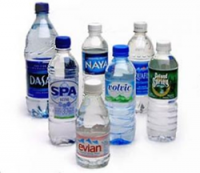
Water- When, What and How to drink it
Water- When, What and How to drink it Most adults and kids wait until they get extremely thirsty, but by then they are mostly dehydrated. Some drink only during meals---a mistake. When we drink too much water during meals, it washes out the hydrochloric acid, digestive juices, and enzymes in our stomach and intestines, which delays digestion. Fluids, iced drinks particularly quench the thirst same time, they quench the digestive process similarly to pouring water on fire. Drinking just some room temperature, unsweetened water during meals is right, just enough to smoothen the food pipe to swallow food, and to tackle strong flavors. Stick to only 8 ounces ( 0.2 litres) of water during meals. Warmer and drier climatic zones force more water out of ones body through perspiration and exhalation. Hence drinking twice as much water as you actually need, soon after returning from a hot outdoors is necessary. Some mothers feed the newborns with water, when its summer. Milk is predominantly water, so infants do not need water. IN a perfect scenario, feeding water to an infant before six months of age is not much recommended. But if you are introducing the child food after 6 months of age, feed just one ounce (0.02 litres) of water, twice a day, while eating. At later stages, if the child eats bread or foods made with flour, he or she will need more water as these foods are dry and oily. Most people are choosing bottled water over tap water, but have they checked how regulated that particular bottled water is? Not every bottling unit follows regulations, whereas City/ Corporation water is much regulated in some areas. In a study, one hundred brands of bottled water showed arsenic, trihalomethanes, bacteria, other contaminants, man-made chemicals, phthalates, high levels of flouride, and coliform bacteria in varied percentages. Not every bottled water is lead free. Think before you confidently spend your bucks on bottled water, instead of using the much regulated tap water. It even puts a control on the plastic dumps in the whole world. However, it varies from area to area...one has to check with the local Water Supply Agency and the locally available Bottle water brand before deciding to make a shift. In some places, bottled water is definitely safer than the common water.
read more